
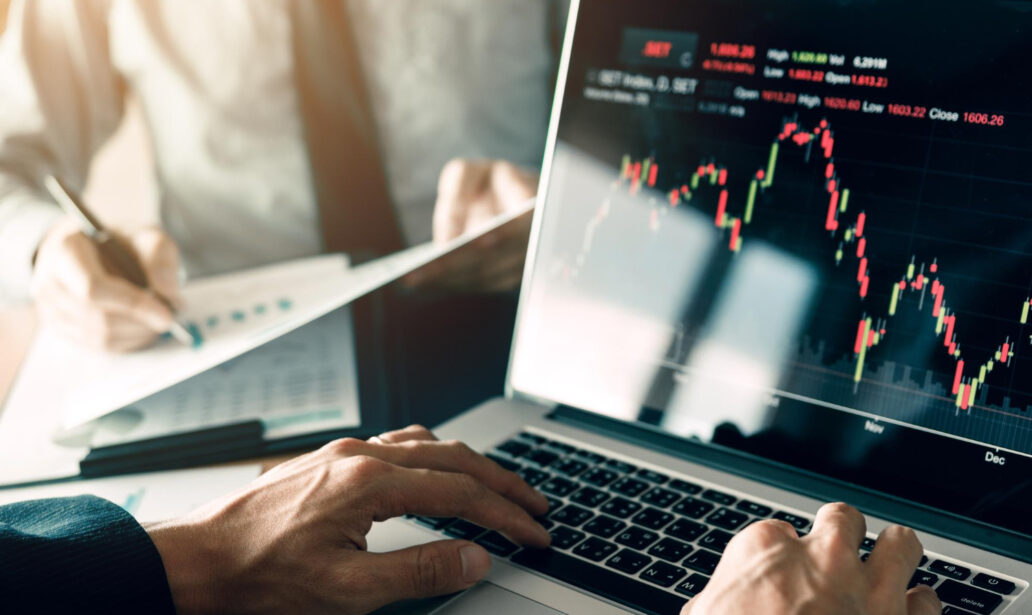
The transformation of trading platforms in India is not merely a trend; it is a revolution driven by artificial intelligence and automation. As these technologies redefine market dynamics, traders are experiencing unprecedented levels of efficiency and insight. This article delves into how AI enhances trading processes, from predictive analytics to algorithmic execution. Additionally, it examines the benefits and challenges these innovations bring, paving the way for a future that promises both opportunity and complexity in the trading landscape.
Overview of Trading Platforms
Trading platforms in India, such as Zerodha and Upstox, provide a wide range of tools and features tailored to meet the needs of retail investors and institutional traders. These platforms have undergone significant evolution, moving from traditional desktop applications to user-friendly mobile solutions.
Zerodha features a sophisticated mobile application that offers real-time analytics and customizable watchlists, catering to the needs of traders who require mobility. In contrast, Upstox emphasizes an intuitive interface and provides advanced charting tools, making it suitable for both novice and experienced investors. Both platforms also offer educational resources that enhance the user experience by giving the power to individuals to make informed investment decisions. Investors can easily analyze market trends and execute trades efficiently through these comprehensive platforms.
The Rise of AI in Financial Markets
The adoption of artificial intelligence (AI) in financial markets is revolutionizing trading by significantly enhancing efficiency and data processing capabilities. By leveraging AI, trading platforms can analyze vast amounts of data, including historical market information, real-time price movements, and news sentiment, at speeds and scales far beyond human capabilities. This enables traders to make faster, more informed decisions and to automate complex processes.
Impact on Trading Efficiency
AI algorithms improve trading efficiency by executing trades in milliseconds, minimizing human latency and error. Platforms like AlgoTrader utilize AI to automate strategies, which can lead to a 30% increase in efficiency. A study by Bloomberg showed that AI-driven platforms reduced transaction costs by an average of 15%. AI tools like Trade Ideas provide real-time analytics and alerts, allowing traders to act on opportunities promptly. This data-driven approach removes emotional bias, leading to more rational and profitable choices on the trading platform.
Data Analysis and Predictive Analytics
AI-driven predictive analytics tools, such as Bloomberg Terminal, leverage extensive datasets to forecast market trends with an accuracy rate of up to 85%. These tools employ machine learning algorithms to analyze historical data and identify significant patterns. For example, IBM Watson Analytics enables traders to visualize data and make informed predictions regarding price movements, while Google Cloud’s BigQuery provides real-time insights into financial markets. In practice, hedge funds utilize these technologies to effectively navigate market volatility; a prominent illustration is AQR Capital, which applies AI models to refine its investment strategies, resulting in a reported 30% increase in returns over a three-year period. Adopting these advanced analytical tools can significantly enhance decision-making processes within the financial sector.
Automation in Trading Processes
Automation in trading processes has given the power to traders to execute transactions with exceptional speed and precision, thereby minimizing the potential for human error.
Algorithmic Trading
Algorithmic trading platforms, such as MetaTrader 5, provide traders with the capability to automate their strategies, which results in faster execution and enhanced profitability. Traders can leverage specific tools within these platforms to optimize their performance. For instance, MetaTrader 5 includes Expert Advisors (EAs) that enable users to develop custom trading algorithms tailored to their individual strategies. Another notable platform, TradeStation, offers comprehensive back-testing capabilities, allowing traders to refine their approaches before implementing them in live markets. Additionally, platforms like NinjaTrader provide advanced charting and market analysis features that aid in identifying profitable trading opportunities. These tools give the power to traders to execute their strategies with a level of precision and at speeds that surpass those achievable through manual trading.
Execution Speed and Accuracy
Automated trading systems are capable of executing trades within milliseconds, thereby enhancing accuracy and enabling traders to capitalize on transient market opportunities. For example, a study conducted by the Tabb Group indicates that automated systems can achieve an execution speed of approximately 100 milliseconds, in contrast to 500 milliseconds for manual trades. This disparity can provide a substantial advantage in scalping strategies, which rely on minor price fluctuations for profitability. The implementation of tools such as MetaTrader 4 or NinjaTrader gives the power to traders to establish custom algorithms and conduct backtesting of their strategies. Case studies illustrate that traders have experienced increases in profit margins ranging from 15% to 20% after adopting these systems, effectively demonstrating the advantages of speed and precision in trade execution.
Benefits of AI and Automation for Traders
Artificial intelligence and automation offer traders enhanced decision-making capabilities and improved risk management, ultimately resulting in more favorable trading outcomes.
Enhanced Decision-Making
AI tools analyze market data to provide valuable insights that enhance decision-making, enabling traders to identify optimal entry and exit points. For example, platforms such as Trade Ideas and MetaStock utilize AI algorithms to generate trade signals based on real-time data analysis. These tools give the power to traders to backtest strategies and simulate trading scenarios, resulting in more well-considered choices. By employing predictive analytics, users can anticipate market trends, thereby potentially increasing their success rates. Additionally, tools like Thinkorswim offer advanced charting capabilities, allowing traders to visualize data and make more timely decisions. By integrating these AI-driven platforms into their workflows, traders can significantly enhance their profitability.
Risk Management Improvements
AI-driven risk management tools assist traders in minimizing losses by predicting potential market downturns through algorithms that analyze historical data. Examples of these tools include IBM Watson, which employs predictive analytics to evaluate market trends, and TradeIdeas, which utilizes AI for real-time decision-making. Traders may also implement methodologies such as Monte Carlo simulations to assess the probability of various outcomes based on AI-generated scenarios. By integrating these technologies, traders obtain insights that enable them to adjust their strategies dynamically, thereby effectively mitigating risks. Regularly reviewing these analytics can result in better-informed decisions and the development of a more resilient trading strategy.
Challenges and Risks of AI in Trading
Despite its numerous advantages, the implementation of artificial intelligence in trading poses several challenges and risks that traders must carefully navigate to ensure sustainable practices.
Market Volatility Concerns
AI algorithms have the potential to exacerbate market volatility during unexpected events, as evidenced by the significant sell-offs during the 2020 market crash, where automated trading played a substantial role. This instability often arises because these systems respond to market trends instantaneously, lacking the nuanced understanding that human traders possess. For example, during periods of high volatility, algorithms can create a feedback loop that triggers mass sell-offs, further depressing prices. A report from the Financial Stability Board indicates that approximately 90% of trades are executed by algorithms, highlighting their considerable influence on market dynamics. To mitigate these risks, regulatory measures such as circuit breakers can be implemented. These mechanisms pause trading when stocks experience sharp declines, thereby allowing for human oversight to guide subsequent actions.
Ethical Considerations
The increasing integration of artificial intelligence in trading raises significant ethical concerns, including the potential for market manipulation and the necessity for regulatory frameworks to ensure equitable practices. Market integrity may be compromised if AI systems exploit existing vulnerabilities, which could lead to unethical practices such as front-running or the generation of false signals. To address these risks, regulatory bodies must establish clear guidelines regarding the use of AI in trading. For instance, regulatory agencies could mandate that trading firms disclose the decision-making processes behind their algorithms and undergo regular audits. Existing tools, such as the Market Abuse Regulation (MAR) in the European Union, offer a framework for monitoring suspicious activities. Ensuring compliance with these regulations is essential not only for safeguarding market integrity but also for fostering trust among investors.
The Future of Trading Platforms in India
The future of trading platforms in India is set to undergo significant transformation, propelled by advancements in artificial intelligence, machine learning, and blockchain technologies.
Trends to Watch
Emerging trends, including decentralized finance (DeFi) and advanced data analytics, are poised to transform trading platforms in the coming years. Decentralized finance facilitates peer-to-peer trading without the need for intermediaries, thereby reducing fees and enhancing accessibility. Platforms such as Uniswap employ smart contracts to automate trading processes, significantly streamlining operations. Conversely, advanced data analytics tools, such as TradeStation and MetaTrader, utilize artificial intelligence algorithms to deliver real-time market insights, enabling traders on a trading platform to make informed decisions promptly. These technologies not only enhance trade execution on the trading platform but also provide a competitive advantage, allowing users to capitalize on market volatility more effectively.
Frequently Asked Questions
What is the role of AI and automation in trading platforms in India?
AI and automation play a crucial role in analyzing and processing market data, making trading decisions, and executing trades in real-time on trading platforms in India.
Why are AI and automation being increasingly adopted by trading platforms in India?
AI and automation offer increased efficiency and accuracy, enabling traders to make more informed and profitable trading decisions while reducing the risk of human error.
How does AI and automation impact the user experience on trading platforms in India?
AI and automation provide personalized and user-friendly interfaces, making it easier for traders to monitor and manage their investments in real-time.
What are the benefits of using AI and automation on trading platforms in India?
AI and automation can quickly process large amounts of data, identify patterns, and make data-driven trading decisions, resulting in better returns for traders.
Can AI and automation completely replace human traders on trading platforms in India?
While AI and automation can support and enhance trading decisions, human traders still play a crucial role in evaluating market conditions and making informed decisions on trading platforms in India.
How is the use of AI and automation regulated on trading platforms in India?
The Securities and Exchange Board of India (SEBI) closely monitors and regulates the use of AI and automation on trading platforms to ensure fair and ethical trading practices in the market.